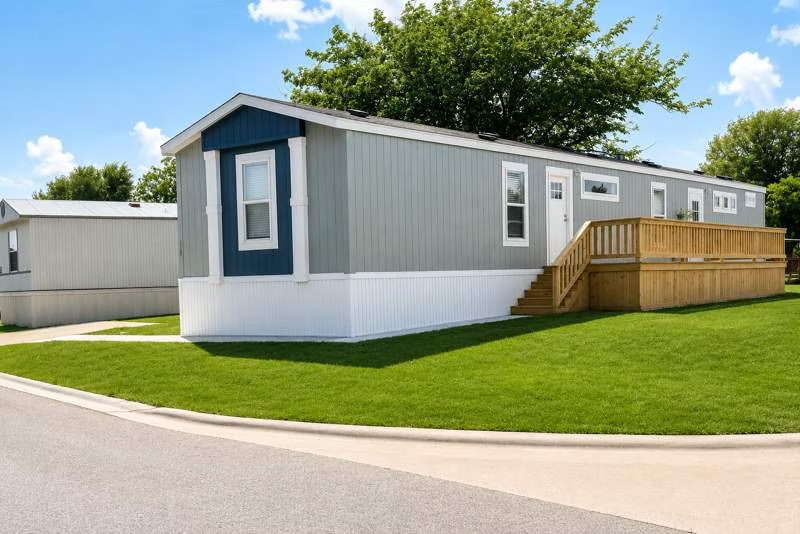
![Camping Near [Landmark] for a Better Stay](https://medallion.parkweb.dev/wp-content/uploads/2026/10/camping-near-landmark-for-a-better-stay-featured.webp)
A landmark can be the reason for the trip, but the place you park at night often determines how the trip feels. When you are planning camping near [landmark], a convenient location matters, but so do the details that make travel easier: a level site, reliable utilities, clean surroundings, clear arrival instructions, and management that is available when you need help.
The best stay is not always the closest pin on a map. It is the one that gives you a comfortable home base, a manageable drive to the sights, and enough breathing room to enjoy the trip on your own schedule.
Start with the experience you want
Before comparing campgrounds, decide what kind of visit you are building. A quick overnight stop calls for easy access, a simple check-in process, and a site that lets you settle in without a long detour. A weeklong visit may make more room for priorities such as laundry access, dependable Wi-Fi, shade, room for pets, or a peaceful place to relax after a day of sightseeing.
Travelers sometimes book the nearest available site and assume proximity solves everything. It can, but not always. A campground five minutes closer to a landmark may sit beside a busy road, offer tight sites, or require an awkward departure route. A well-managed RV park 15 or 20 minutes away can be the better choice if it makes arrivals, departures, and everyday routines more comfortable.
Think about your real schedule. If you plan to be at the landmark at opening time each morning, a shorter drive has real value. If you want to explore restaurants, trails, local shops, and nearby towns, central road access may matter more than being immediately next door.
What to look for when camping near [landmark]
A campground listing can make nearly every property sound the same. Look past broad promises and focus on the features that affect your stay from the moment you arrive.
First, confirm the basics for your rig. Check site length, slide-out clearance, utility connections, road width, and any limits on RV age or size. If you are towing a vehicle, ask whether there is adequate space to park both the RV and tow car. Travelers with larger fifth wheels and motorhomes should also consider turns at the entrance and throughout the property.
Next, evaluate the condition of the park. Recent guest feedback can reveal whether the grounds are clean, the sites are maintained, and the property feels orderly. Clean common areas, working hookups, visible upkeep, and responsive staff are more than nice extras. They reduce the small frustrations that can turn a vacation into a series of workarounds.
Finally, check the practical policies before booking. Arrival hours, late check-in instructions, pet rules, visitor policies, cancellation terms, and quiet hours should be easy to understand. Clear information is a sign of a property that respects guests’ time.
Location is more than mileage
A map may show that two RV parks are equally close to a landmark, yet the drive can feel completely different. Consider traffic patterns, road types, elevation changes, construction, and parking at the attraction itself. A direct route on familiar roads can save more time than a campground that is technically closer but requires congested city streets or slow scenic routes.
It also helps to map your essential stops. Where will you fuel up? Is there a grocery store nearby? If you need propane, supplies, laundry, or vehicle service, can you reach them without disrupting your day? A little planning protects your time for the reason you came in the first place.
For some travelers, staying outside the busiest visitor zone is the smart move. You may find more room, a quieter evening atmosphere, and easier access to daily necessities. The trade-off is a longer drive, so weigh the savings and comfort against how often you expect to travel back and forth.
Book with the season in mind
The season around a popular landmark can change both availability and the kind of experience you have. Peak periods often bring higher demand, crowded roads, and less flexibility with site selection. Booking early gives you a better chance of finding a site that suits your RV rather than simply taking what remains.
Shoulder seasons can be ideal for travelers who want lighter crowds and a slower pace. The weather may be less predictable, however, and some local attractions or services may operate on limited hours. Check seasonal conditions before committing, especially in areas known for heat, storms, mountain weather, or freezing temperatures.
If your dates are flexible, arriving midweek may create more options. It can also make it easier to visit a landmark during quieter hours. Families traveling around school schedules may need weekends or holidays, but an early start and a planned route can still make the day feel less rushed.
Build a comfortable arrival day
Long travel days are easier when your arrival plan is simple. Save the campground’s contact information and directions before you lose service. Use RV-friendly navigation when possible, rather than relying only on the fastest route suggested for passenger cars. A low clearance, narrow road, or sharp turn can create avoidable stress near the end of the day.
Give yourself daylight if you can. Setting up water, electric, sewer, stabilizers, and outdoor gear is much easier when you can see the site clearly. If a late arrival is unavoidable, make sure you understand the park’s after-hours procedures and have a flashlight ready.
Once you are parked, resist the urge to pack the first evening with activities. Take a few minutes to walk the property, locate amenities, and get familiar with the route to and from your site. That small reset helps your RV become a true home base rather than just a place to sleep.
Make the campground part of the trip
The strongest camping experiences balance exploration with downtime. A landmark may deserve a full day, but a full itinerary every day can leave everyone tired. Build in a morning at the campground, an unplanned afternoon, or an evening meal outside your RV. Those quieter moments are often what families remember.
If you are traveling with children, look for room to move and predictable routines. If you are working remotely, ask about connectivity before assuming you can handle video calls from the site. If you are traveling with pets, confirm the rules and plan for walks during the cooler, calmer parts of the day. Every traveler has a different definition of convenience, and the right RV park supports yours without adding unnecessary complications.
For longer stays, choose a property that treats hospitality as an everyday responsibility. Attentive management, clean grounds, well-kept infrastructure, and straightforward digital tools can make a meaningful difference when you are away from home. That is the kind of dependable experience Medallion Communities values across its RV properties.
A few questions worth asking before you reserve
Before finalizing your reservation, contact the property if the details are not clear. Ask whether the assigned site will accommodate your full setup, whether utilities are included in the quoted rate, and what to expect if you arrive after office hours. Confirm any needs that could affect comfort, such as accessibility, pet accommodations, mail handling, or extended-stay options.
It is also reasonable to ask about local conditions. A knowledgeable team can tell you which route works best for a larger RV, when traffic is heaviest, or whether the landmark requires timed entry. Helpful answers are a good sign that the park is invested in a positive guest experience.
Camping near [landmark] should leave you with more than a convenient address. Choose a site that gives you a clean place to recharge, a clear plan for the day ahead, and enough comfort to enjoy the journey as much as the destination.