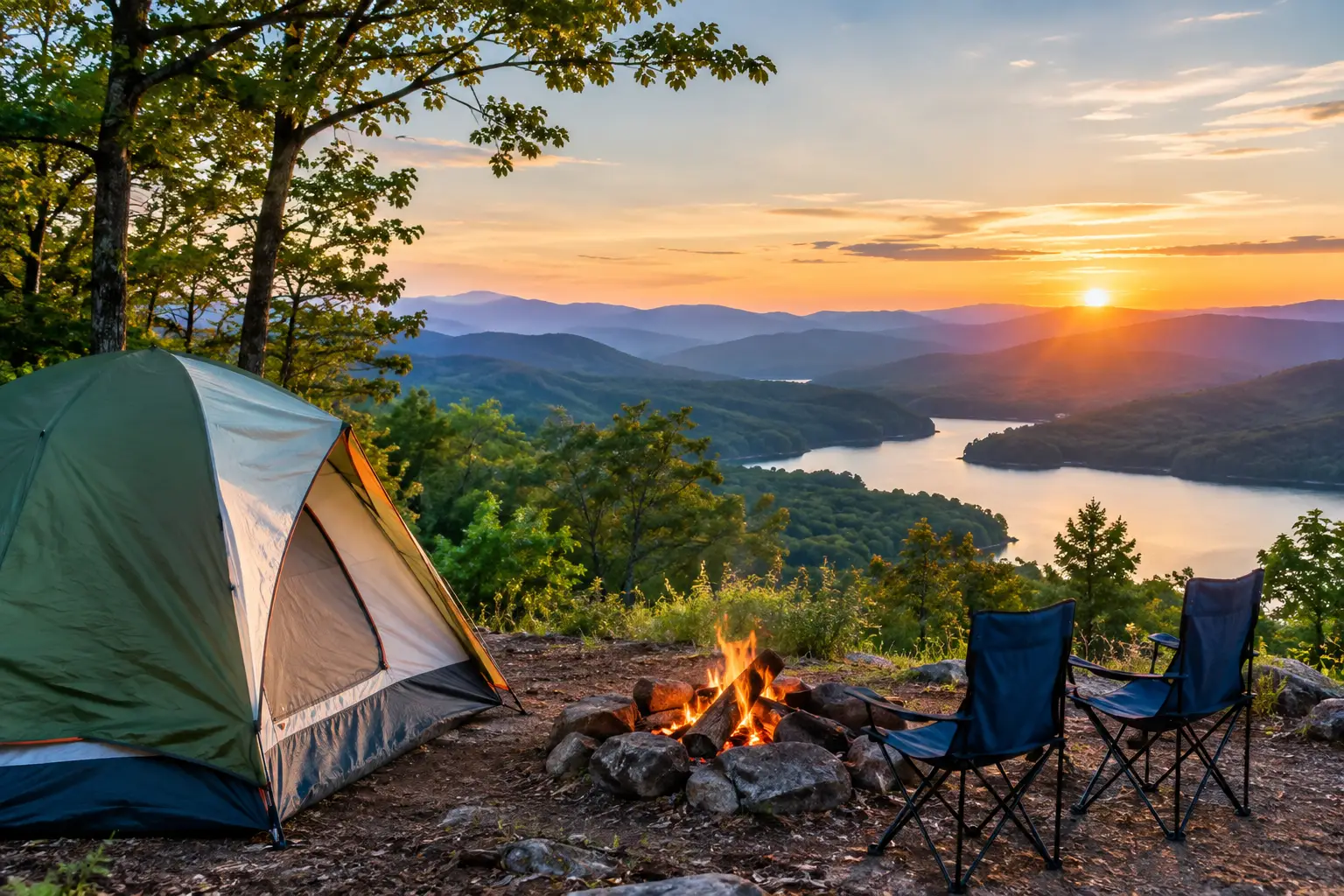
Tennessee can take you from misty Smoky Mountain mornings to a quiet lakefront sunset in the same weekend. The best campgrounds in Tennessee are not all the same – and that is the point. A tent camper planning a two-night hike needs something different from a family towing a travel trailer or a full-time RVer looking for a clean, dependable stopover.
The right campground comes down to more than scenery. Site size, road access, hookups, bathhouse upkeep, noise levels, and how quickly staff can help when plans change all shape the experience. These standout destinations offer a useful starting point for planning a Tennessee camping trip that feels easy from arrival to checkout.
Best Campgrounds in Tennessee by Travel Style
Elkmont Campground for classic Smokies camping
Elkmont Campground, inside Great Smoky Mountains National Park, is a memorable choice for campers who want to wake up close to hiking trails, streams, and dense mountain forest. Its location gives visitors convenient access to the Gatlinburg entrance and popular areas of the park, while the historic Elkmont district adds character to an already scenic stay.
This is a campground for travelers who value nature over resort-style amenities. Sites do not include electric or water hookups, and mountain weather can change quickly. Bring layers, reliable rain gear, and food storage that follows park rules. For tent campers and families comfortable with a more traditional campground setup, that trade-off is part of Elkmont’s appeal.
Cades Cove Campground for wildlife and bike rides
Cades Cove Campground puts campers near one of the most recognizable landscapes in the Smokies. The nearby loop road is known for broad valley views, historic buildings, and frequent wildlife sightings. It is especially rewarding for early risers who want a calmer drive or a morning bike ride before vehicle traffic picks up.
Like other national park campgrounds, Cades Cove is a simpler camping experience. There are no full hookups, so RV travelers should confirm the size and utility limits before committing. Still, for visitors who want a close connection to the outdoors and a convenient base for exploring the cove, it is hard to beat.
Fall Creek Falls State Park for active family weekends
Fall Creek Falls State Park is a strong pick for families and groups who do not want to choose between relaxation and things to do. The park is home to waterfalls, walking trails, overlooks, a lake, and opportunities for paddling and fishing. Campground stays make it easier to spread those activities across a full weekend instead of rushing through them in one day.
The park’s developed setting is helpful for newer campers. You can enjoy a wooded site while still having access to the basics that make family travel more comfortable. Availability can tighten during school breaks and peak fall color, so reserving early gives you more choice in site type and location.
David Crockett State Park for a quieter retreat
Near Lawrenceburg, David Crockett State Park offers a more relaxed pace than the state’s busiest mountain destinations. The park has trails, water access, picnic areas, and a campground that works well for travelers looking to unplug without feeling isolated.
It is an appealing option for a short getaway, particularly for campers driving from Middle Tennessee or North Alabama. The atmosphere tends to suit couples, families with younger children, and anyone who prefers an unhurried day of fishing, walking, or sitting outside the RV. Check the campground map before booking if you have a larger rig, since site layouts can vary.
Montgomery Bell State Park for Nashville-area convenience
A camping weekend does not have to involve a long drive. Montgomery Bell State Park, west of Nashville, gives travelers a practical escape with lakes, wooded trails, and outdoor recreation close to the city. That proximity makes it useful for a Friday-after-work arrival or for visitors who want to pair a city itinerary with a couple of nights outdoors.
Convenience is the main advantage here, but it does mean busier weekends can feel less remote than a campground deep in the mountains. Choose a site farther from high-traffic areas if privacy matters most. For many families, easy access and a well-maintained setting are worth that compromise.
Harrison Bay State Park for lakeside RV camping
Harrison Bay State Park, near Chattanooga, is a practical choice for RV travelers and boaters. Set along Chickamauga Lake, it offers the kind of water-focused trip that can keep a group entertained without constantly getting back in the car. Fishing, boating, and shoreline views create a different Tennessee camping experience than the mountain campgrounds farther east.
The campground is particularly attractive for travelers who appreciate established facilities and room to settle in. As with any lakeside destination, a waterfront view may not always mean a waterfront site, so review the individual site description carefully. Travelers towing boats should also confirm launch access and parking arrangements ahead of time.
Roan Mountain State Park for cool-weather mountain views
Roan Mountain State Park is a favorite for campers who want elevation, forest trails, and a quieter northeast Tennessee setting. The area is known for its highland beauty, especially in late spring and early fall. It can be a refreshing alternative when lower elevations are hot and crowded.
This is a destination where weather planning matters. Nights can be noticeably cooler than elsewhere in the state, even during warmer months. Pack accordingly, and remember that mountain roads and seasonal conditions can affect arrival times. For prepared campers, the payoff is a peaceful setting with a more tucked-away feel.
Pickwick Landing State Park for water and wide-open space
On Tennessee’s southwestern edge, Pickwick Landing State Park serves campers who want a lake trip with room for boating, fishing, and relaxed outdoor time. It is a good fit for friends traveling together, families with water gear, or RVers seeking a destination where the days can be as active or as slow as they choose.
The setting feels different from the Smokies, which makes it valuable for repeat Tennessee travelers. Rather than chasing overlooks and steep trails, visitors can enjoy broad water views and an easiergoing pace. Weekend demand often follows the boating season, so make reservations early if your dates fall around a holiday.
How to Choose a Tennessee Campground That Fits
A beautiful campground can still be the wrong campground if it does not match your equipment or travel plans. Before reserving, start with the kind of stay you want. Tent campers may prioritize tree cover, level ground, and proximity to restrooms. RV travelers should check site length, electrical service, water and sewer availability, and whether roads are comfortable for their rig.
For a smoother arrival, confirm these details before leaving home:
- The site’s maximum RV length, slide-out space, and hookup type
- Check-in hours, gate access, and procedures for late arrivals
- Fire rules, pet policies, and food-storage requirements
- Bathhouse availability, dump station access, and cell service expectations
Season matters as much as location. Spring brings waterfalls and wildflowers, but it can also bring rain and cool nights. Summer is ideal for lake activities, though popular campgrounds fill quickly. Fall delivers spectacular color and crisp weather, while winter can offer quiet campsites for travelers prepared for changing mountain conditions.
If your trip includes several destinations, consider mixing park stays with a well-managed RV park. A full-hookup stop can make laundry, charging devices, refilling supplies, and resetting between adventures much easier. Clean grounds, clear arrival instructions, dependable utilities, and responsive onsite management are not flashy details, but they are often what turn a long travel day into a restful night.
Plan for the Stay, Not Just the View
Tennessee’s camping appeal is its range. You can spend one weekend hearing elk bugle in the Smokies and another watching the sun settle over a West Tennessee lake. Start with your preferred pace, reserve a site that fits your setup, and leave enough room in the itinerary for the moments that do not appear on a map – a slow breakfast outside, a trail discovered on a whim, or a campfire that keeps everyone talking a little longer.